

2nd EUCMTSC, Antwerp 23-25 October 2025
The Future of CMT Research:
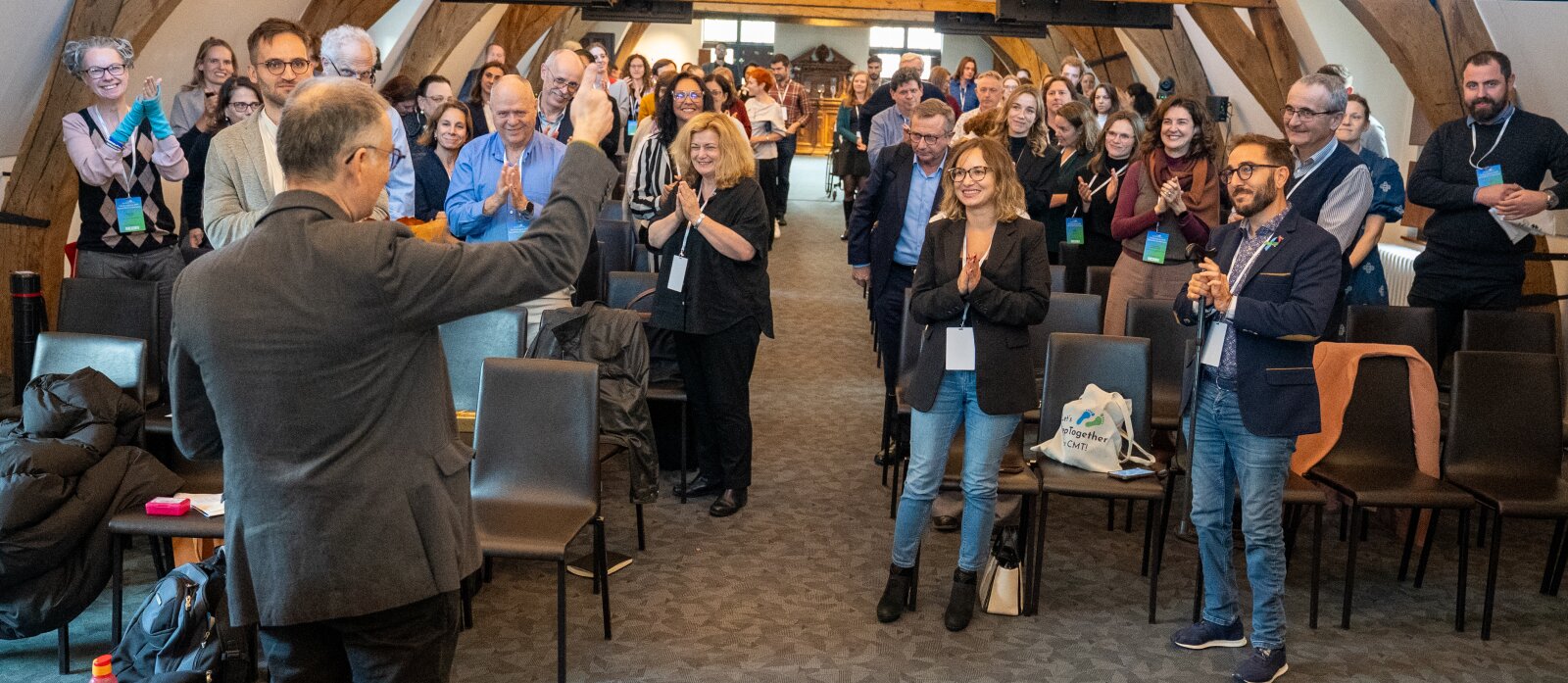
Check out the online photo album
Watch our playlist with recorded sessions
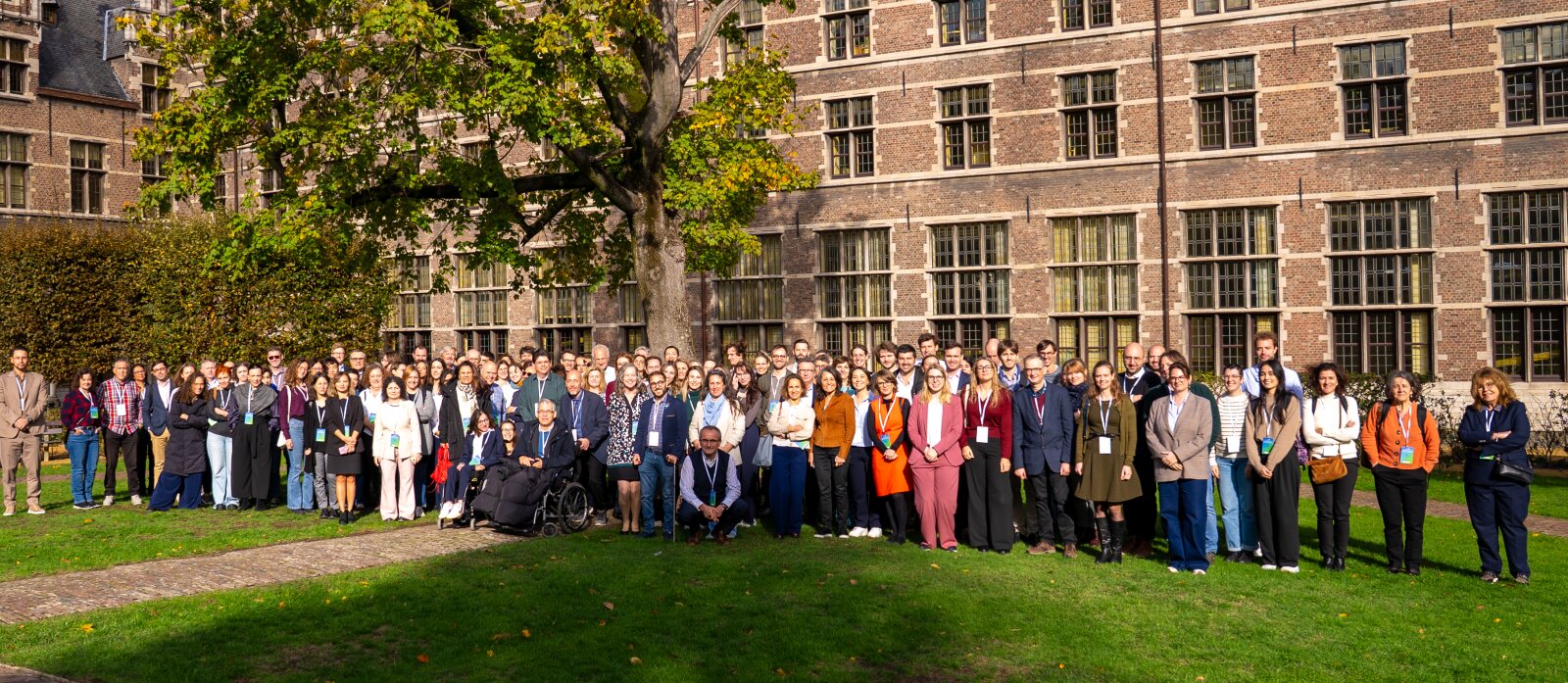
The European CMT Research Association (ECRA), European CMT Federation (ECMTF) and University of Antwerp organized the 2nd European CMT Specialists Conference in Antwerp, Belgium from Thursday 23 to Saturday 25 October 2025.
The 2nd European CMT Specialist Conference attracted over 135 clinicians and scientists. The program consisted of two full days of platform and poster sessions with emphasis on enhancing networking.
All aspects of CMT, as an inherited neuromuscular disease, were covered: from basic science to genetic diagnosis and clinical management, therapy development, clinical outcome measures and clinical trials, as well as technical aspects like data sharing and AI.
A main priority for the meeting is mentorship and development of junior scientists and clinicians. To that end, part of the money raised to support the Conference was used for fellowships for junior attendees as has been done in the past.
Thank you all for joining us at this inspiring event!
Programme
Thursday 23 October 2025
13:30 | Opening of registrations |
13:30 – 14:30 | ECRA Task Force meeting |
14:30 – 15:00 | Coffee break |
15:00 – 16:45 | ECRA General Assembly |
17:00 – 19:00 | Opening ceremony and opening lectures
|
Friday 24 October 2025
8:30 | Opening of the venue and coffee |
9:00 – 10:30 | Plenary Session 1 – Basic sciences and the many faces of CMTChairs:Mary Reilly with Arabela Acalinei Selected presentations:
Objectives:• Setting the stage – Understand better CMT with its many subtypes as one of the most frequent iNMDs and give an overview on new Tasks and deliverables:• Present and explain recent achievements and new challenges in iNMD research – and the role of the patients in the research process |
10:30 – 11:00 | Coffee break |
11:00 – 12:30 | Plenary Session 2 – Methods: diagnostics/genetics of CMT neuropathiesChairs:Francesc Palau with Simon Bull Keynote Talk:
Selected presentations:
Objectives: • Assess perspectives and new approaches for rapid and reliable diagnosis iNMDs, also as an input for medical training program Tasks and deliverables:• Identify methods, e.g. genetic sequencing, histopathological studies, electrophysiological analysis, cell and tissue models, etc., to determine causes and diagnose of various inherited neuromuscular diseases |
12:30 – 14:30 | Light Lunch & Poster Session 1(odd numbers) |
14:30 – 16:00 | Plenary Session 3 – Therapeutic approaches on CMT neuropathies Part IChairs:Angelo Schenone with Maria Fernanda Lemos Ojea Keynote Talk:
Selected presentations:(Part I – 15:00 – 16:00)
Objectives:• New therapeutic approaches and drug development for inherited neuromuscular diseases, and the specific roles of the patients (as partners) and of industrial partners in the R&D process |
16:00 – 16:30 | Coffee break |
16:30 – 18:00 | Plenary Session 3 – Therapeutic approaches on CMT neuropathies Part II
Fishbowl Idea Workshops – Presentation, discussion and organisation of joint projects and initiativesChairs:Vincent Timmerman with Ingolf Pernice Selected speakers:
|
19:00 – 23:00 | Gala dinner at Art Nouveau Hall Horta |
Saturday 25 October 2025
8:30 | Opening of the venue and coffee |
9:00 – 10:30 | Plenary Session 4: Clinical trials, data sharing and outcome measurementChairs:Jonathan De Winter with Filippo Genovese Keynote Talk:
Selected presentations:
|
10:30 – 11:00 | Coffee Break |
11:00 – 12:30 | Plenary Session 5: Round Table “Access to therapy for patients with a rare disease: from studies to approval, reimbursement and optimal use”Introduction:Prof. René Westhovens (President of the Colleges for Orphan Drugs, National Institute for Health and Disability Insurance (INAMI-RIZIV), Belgium) Panelists:René Westhovens / Davide Pareyson / Maike Dohrn / Alexandre Hoyau |
12:30 – 14:00 | Light Lunch & Poster Session 2 (even numbers) |
14:00 – 15:45 | Open Session: Physiotherapy / digital care / patients as partnersChairs:Tim Vangansewinkel and Alexander Leysen Speakers:
Objectives:
Tasks and deliverables:
|
15:45 – 16:00 | Award ceremony Chair: Filippo Genovese |
16:00 – 16:30 | Concluding remarks and further work of ECRA by the incoming ECRA president Chair: Mary Reilly |
16:30 | Goodbye with small reception |
A Comprehensive Report from the 2nd European CMT Specialist Conference
The 2nd European CMT Specialist Conference was a landmark event, bringing together the world’s leading researchers, clinicians, and patient advocates. The ECMTF is proud to present the complete archive of this meeting, now including exclusive backstage interviews with key opinion leaders.
Below is your guide to the event.
- Watch: Click the title to open the specific video recording.
- Read: Summaries are provided for presentations where recordings were not permitted as their work is not published yet.
Opening Ceremony & Lectures
Setting the stage: The political, clinical, and industrial landscape.
- Welcome & Opening Remarks
- Speakers: Prof. Vincent Timmerman & EU Commissioner Olivér Várhelyi
- Overview: A powerful opening addressing the future of rare disease policies in Europe.
- Charcot-Marie-Tooth diseases and its mimics: the diagnostic challenge
- Speaker: Tanya Stojkovic (France)
- Summary: Highlighting the key signs and diagnostic tools necessary to differentiate CMT from other neuropathies.
- Towards a First Drug on CMT: the SORD trials
- Speaker: Evan Bailey (Applied Therapeutics, USA)
- Summary: An update on the SORD deficiency trials, one of the most advanced efforts to bring a genetic CMT drug to market.
- The ECRA Vision: Concept and Program
- Speaker: Ingolf Pernice (ECRA)
- Overview: Introduction to the European CMT Research Association (ECRA) and its mission to bridge patient groups and scientists.
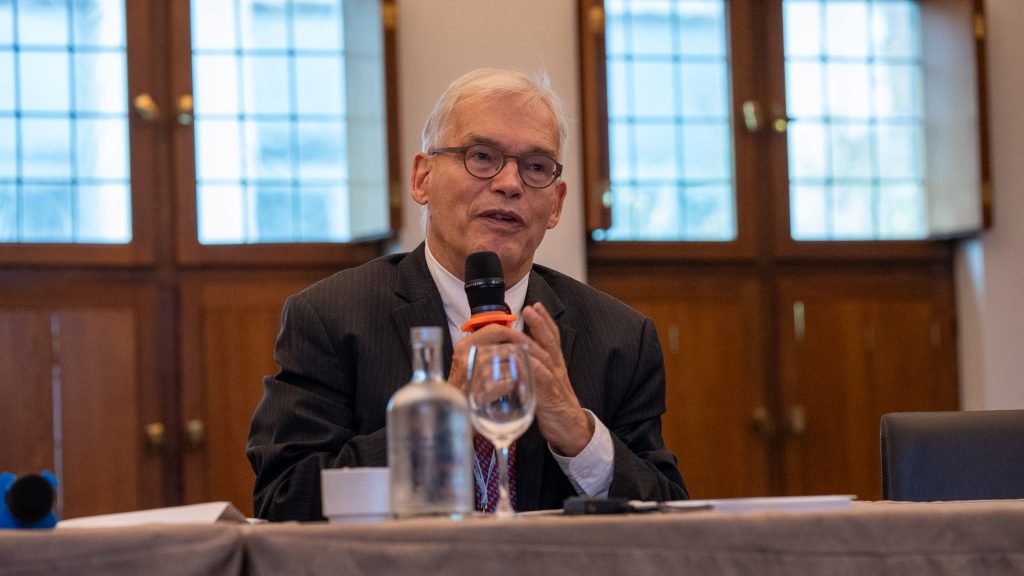
Plenary Session 1: Basic sciences and the many faces of CMT
Focusing on fundamental research and advanced disease models.
- Fully human iPSC-derived neuromuscular assembloids
- Speaker: Bieke Bekaert (Belgium)
- Summary: Development of advanced 3D “assembloids” from human stem cells that mimic the nerve-muscle connection.
- Biallelic variants in the DARS2 gene as a novel cause of axonal CMT
- Speaker: Francesc Palau (Spain)
- Overview: Discovery that specific variants in the DARS2 gene can cause axonal CMT, expanding the disease spectrum.
- ABCA1 inhibition improves Schwann cell maturation
- Speaker: Koen Kuipers (Belgium)
- Summary: Identifying the ABCA1 transporter as a therapeutic target; inhibiting it restored Schwann cell function in CMT1A models.
- Unveiling novel players in HSPB8 pathology
- Speaker: Barbara Tedesco (Italy)
- Summary: Investigating how frameshift mutations in HSPB8 cause protein aggregation and lead to neuropathy.
- Bioengineering the neuromuscular junction
- Speaker: Stijn in ‘t Groen (Belgium)
- Summary: Creating “on-a-chip” platforms using patient stem cells to model the human neuromuscular system.
- Long-read sequencing reveals SORD/SORD2P inversions
- Speaker: Ilaria Quartesan (UK)
- Overview: How advanced sequencing uncovered hidden structural gene changes explaining 75% of previously unsolved SORD-CMT cases.
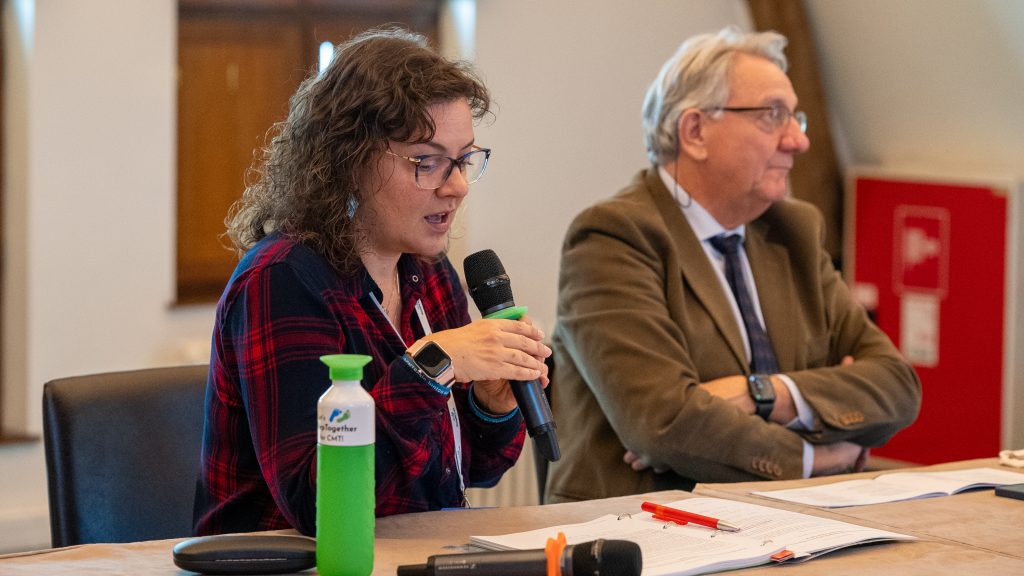
Plenary Session 2: Methods: diagnostics / genetics
Innovations in AI and sequencing are solving the “diagnostic odyssey.”
- Contribute of sensors, robots and AI in rehabilitation
- Speaker: Prof. Angelo Schenone (Italy)
- Overview: Using wearable sensors and AI to capture precise movement data for validating drug efficacy.
- Biallelic PIGB variants: a novel cause of childhood-onset neuropathy
- Speaker: Gorka Fernandez-Eulate (France)
- Summary: Identification of PIGB variants as a new cause of childhood-onset neuropathy with conduction blocks.
- Advancing genetic diagnostics in CMT with long-read sequencing
- Speaker: Ayse Candayan (Belgium)
- Overview: Demonstrating a 28% diagnostic uplift in undiagnosed families using long-read sequencing.
- Discriminating inflammatory neuropathies from hereditary CMT
- Speaker: Pedro José Tomaselli (Brazil)
- Overview: An AI algorithm using routine nerve conduction data to accurately differentiate hereditary CMT from inflammatory neuropathies.
- A CCG expansion in TBC1D7 defines a novel neuromuscular disorder
- Speaker: Liedewei Van de Vondel (USA)
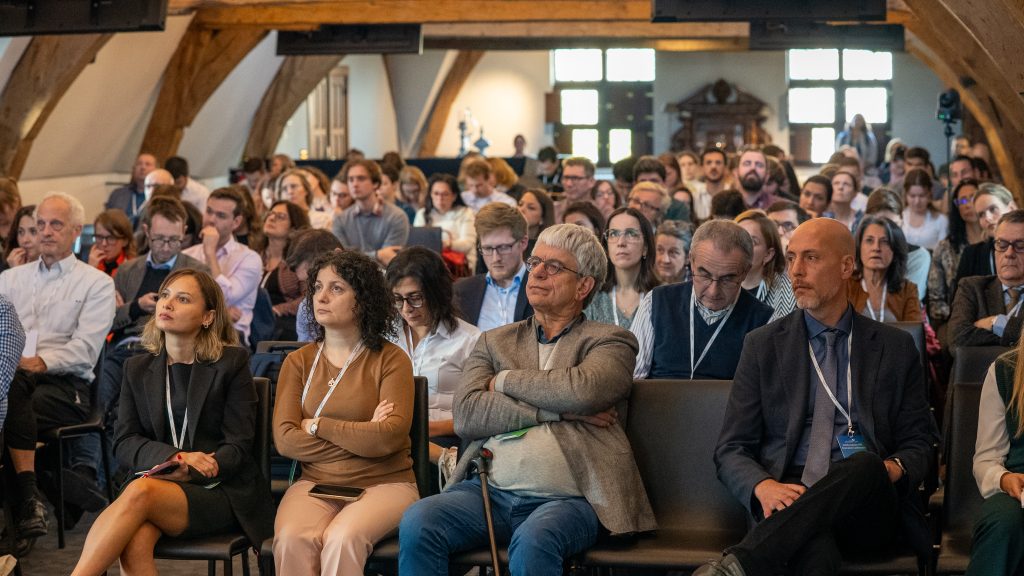
Plenary Session 3: Therapeutic approaches
The most anticipated session: gene therapies, base editing, and new drugs.
- Current status of therapeutics development for CMT neuropathies
- Speaker: Prof. Kleopas Kleopa (Cyprus)
- Overview: A masterclass overview of the current landscape, from gene replacement to delivery vectors.
- Rescue of CMT2A pathology by two therapeutic approaches
- Speaker: Nathalie Bernard-Marissal (France)
- Overview: Successful restoration of organelle contacts in CMT2A models using gene therapy and the drug IFB-088.
- Alpha-1 Antitrypsin demonstrates therapeutic efficacy in a CMT1A mouse model
- Speaker: Nikolay Zhukovsky (Switzerland)
- Overview: AAT, an anti-inflammatory agent, improved nerve conduction and myelin thickness in CMT1A mice.
- A new selective HDAC6 inhibitor for GDAP1-CMT
- Speaker: Lara Cantarero (Spain)
- Overview: Results showing that a new drug (QTX153) improved motor function in mice with GDAP1 mutations.
- Restoration of PMP22 levels in CMT1A via base editing
- Speaker: Alberto Raoss (Italy)
- Overview: An innovative “base editing” technique that gently tunes down the overactive PMP22 gene without damaging DNA.
- Therapeutic Potential of Mesenchymal Stromal Cells (EN001)
- Speaker: Hyeongseop Kim (South Korea)
- Overview: First-in-Human results of a stem cell therapy showing functional improvements in CMT1A and CMT1E patients.
- Loss of ARHGAP19 function as a novel driver of CMT
- Speaker: Natalia Dominik (UK)
- Overview: Identification of a new CMT gene and a drug screen that found FDA-approved compounds capable of rescuing motor defects.
- Ultrasound Evaluation of the Plantar Fascia in CMT
- Speaker: Antonella Vitale (Italy)
- Overview: Using ultrasound to measure foot structures as an early warning sign of functional decline.
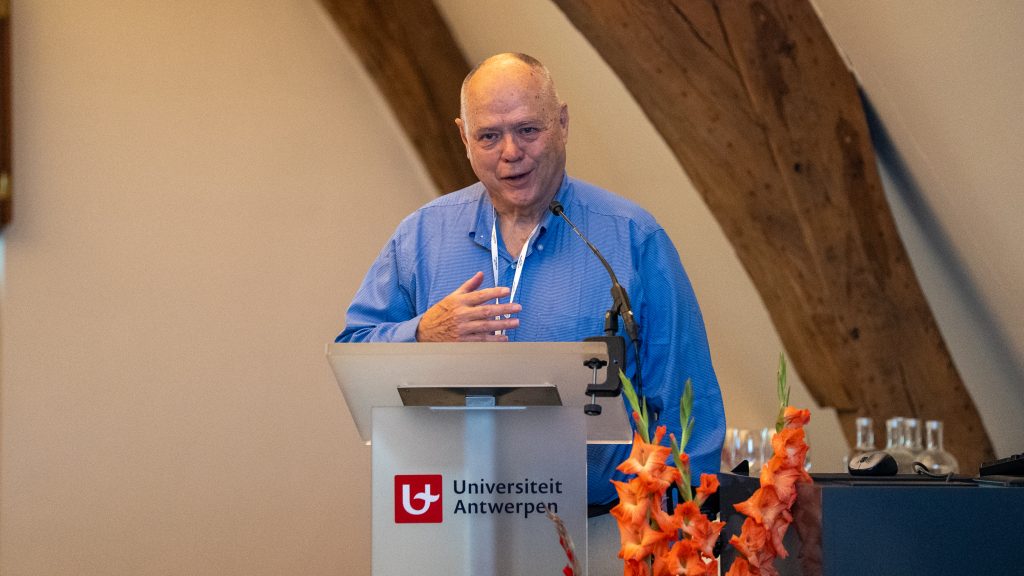
Plenary Session 4: Clinical trials & Outcomes
To get drugs approved, we need to measure the right things.
- DANCER: a new collaborative tool for tracking disease
- Speaker: Wolfgang Pernice (USA)
- Summary: A patient-partnered digital tool designed for ultra-scalable tracking of disease progression.
- Acetylated α-Tubulin as a clinical plasma biomarker
- Speaker: Connor Maltby (Ireland)
- Overview: A specific blood biomarker that correlates strongly with disease severity in CMT1A.
- CMT1E: Clinical Natural History and Molecular Impact of PMP22 Variants
- Speaker: Prof. Michael Shy (USA)
- Overview: A study revealing that mutations in the “transmembrane” part of the PMP22 protein cause much more severe disease.
- A COA8 homozygous mutation presenting as demyelinating CMT
- Speaker: Marion Masingue (France)
- Overview: A case study highlighting how mitochondrial gene mutations can disguise themselves as demyelinating neuropathy.
- Genotype-phenotype correlation in HSPB1-related neuropathy
- Speaker: Alessandro Bertini (Italy)
- Overview: Analysis showing that mutation location within the HSPB1 gene dictates disease severity and onset.
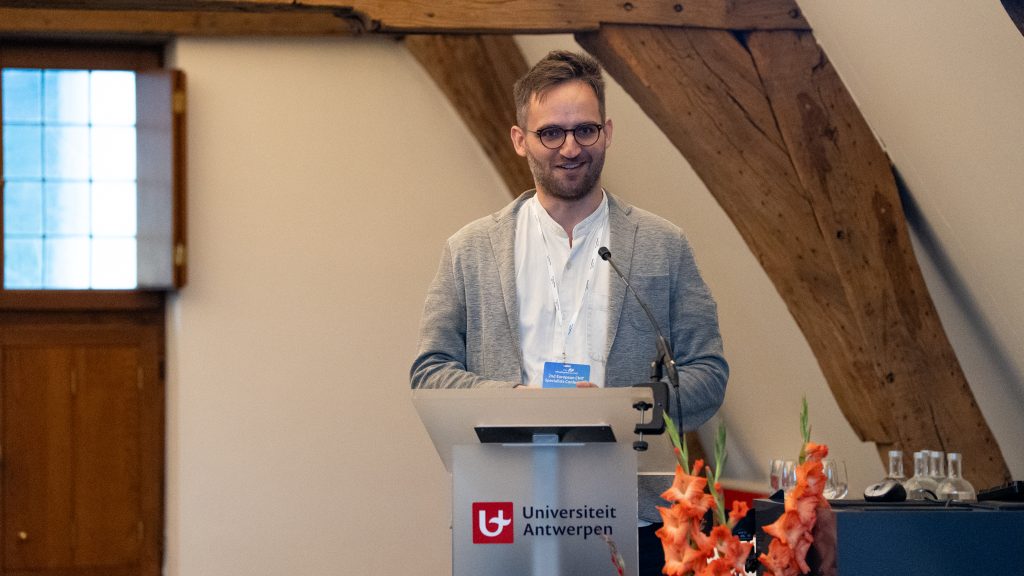
Plenary Session 5 & Open Sessions: Patient Voice & Care
Discussions on access to therapy, digital tools, and the role of patient organizations.
- Round Table: Access to therapy for patients with a rare disease
- Panel: Prof. René Westhovens, Davide Pareyson, Maike Dohrn, Alexandre Hoyau.
- Overview: A critical look at the regulatory and reimbursement hurdles involved in getting approved drugs to patients.
- Physical Management of CMT: Understanding Mechanisms
- Speaker: Gita Ramdharry (UK)
- Overview: An expert breakdown of rehabilitation strategies and how to build a physical management plan that supports living well.
- Digital Care: Challenges and Opportunities
- Speaker: Helena Pernice (Germany)
- Overview: How apps and telemedicine can democratize access to specialist care and generate vital “real-world data.”
- Patients as Partners in Research: The CMTA Experience
- Speaker: Katherine Forsey (USA)
- Overview: How patient organizations are actively de-risking drug development for pharmaceutical companies.
- Objectives and Visions of a Patient Organisation
- Speaker: Alexander Leysen (Belgium)
- Overview: An inside look at the work of Spierziekten Vlaanderen in building communities.
- Concluding remarks and further work of ECRA
- Overview: The strategic roadmap for the next years, focusing on filling the “translational gap” to get therapies from the lab to the patient.
- Fishbowl Workshop: Gene Therapies Network
- Speaker: Kleopas Kleopa
- Fishbowl Workshop: The European Patient Journey
- Speaker: Helena Pernice
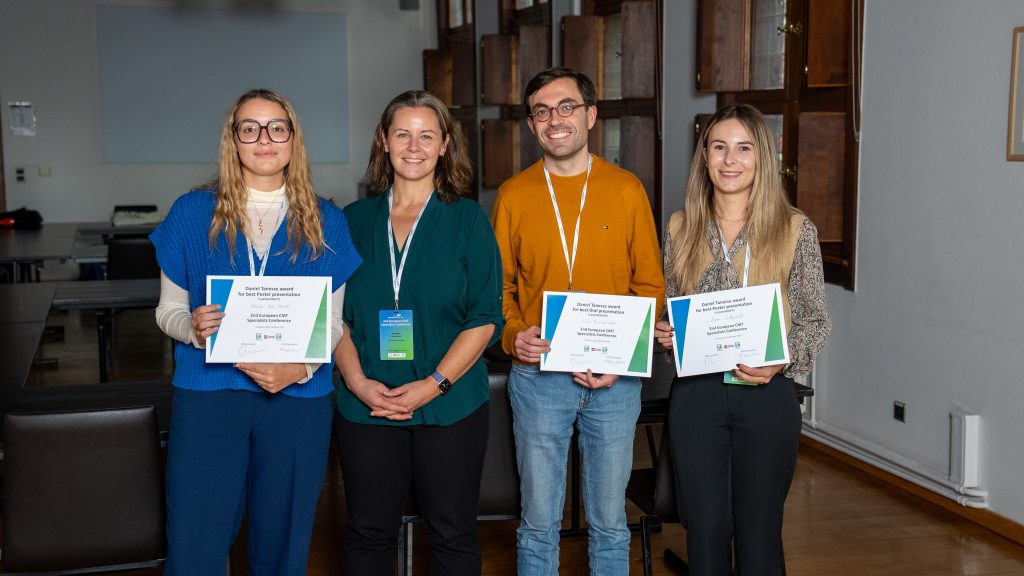
Celebrating Excellence: The Daniel Tanesse Awards
The conference concluded with a special moment dedicated to honoring the most impactful scientific contributions of the event. Chaired by Filippo Genovese, the Daniel Tanesse Awards were presented to outstanding researchers, with a particular focus on the work of young investigators.
Named in memory of Daniel Tanesse, a founding figure in the European CMT movement, these awards serve as a tribute to his legacy and a celebration of the bright future of CMT research.
Exclusive: The “Backstage” Interviews
Discussions on the future of research, recorded live at the conference.
- Multi-stakeholder joint research projects?
- Guests: Nathalie Bernard-Marissal & Kleopas Kleopa
- Topic: How basic scientists and clinicians can bridge the gap to create projects that move faster toward trials.
- Can drug development in CMT be profitable?
- Guests: Maike Dohrn & Evan Bailey
- Topic: A candid look at the economics of rare disease drugs and how industry views the CMT market.
- Genetics of CMT: The way ahead towards a cure?
- Guests: Lara Cantarero & Mary Reilly
- Topic: Whether finding more genes is still the priority, or if we should focus on treating the ones we already know.
- Roadblocks for drug development in CMT
- Guests: Filippo Genovese & René Westhovens
- Topic: The regulatory and reimbursement challenges that exist after a drug is proven to work scientifically.
- Patient readiness and recruitment for clinical trials
- Guests: Connor Maltby & Alexander Leysen
- Topic: How patient organizations prepare their communities to fill clinical trials quickly and effectively.
- Perspectives for young CMT researchers
- Guests: M. Drummond, M. Van Brussel & G. Fernandez
- Topic: The next generation of scientists discuss why they chose the CMT field and what excites them most.
A New Chapter: Election of the ECRA Board
Before the scientific sessions began, a pivotal moment for our community took place on Thursday. The European CMT Research Association (ECRA) held its General Assembly to elect the leadership team that will steer the scientific agenda for the coming years.
A new Board was voted in, comprising a President, Vice-President, Treasurer, Secretary, and five dedicated board members. This new leadership team is tasked with executing the 5-year ECRA Action Program, ensuring that patient priorities remain at the heart of European research funding and strategy.
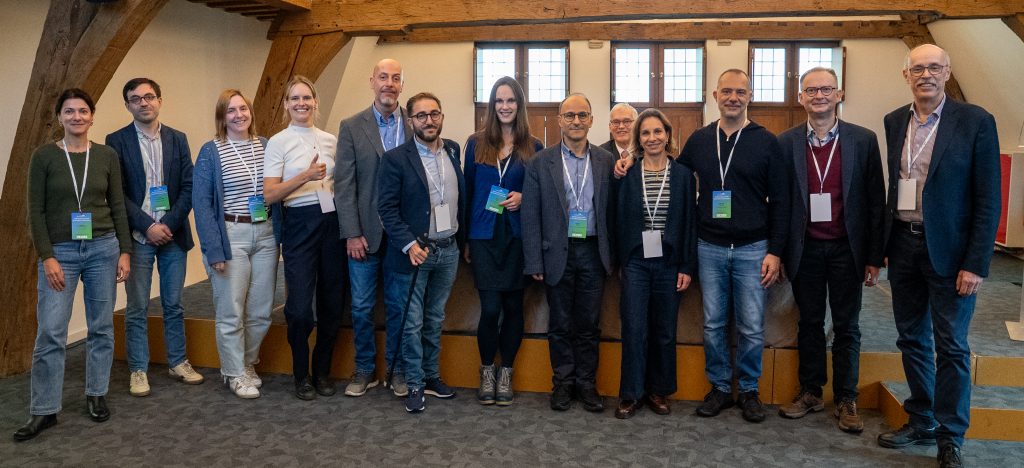
Post event materials
Relive the conference
Read and watch our post-conference materials, you will be delighted by the spirit of pioneer and optimism it witnesses.
Be encouraged to join the movement towards new horizons in CMT research, based upon cooperation and partnership of scientists and clinicians both, with patients and industry.
Five video interviews, the award ceremony, the post-conference webinar on the ‘key takeaways from the 2nd European CMT Specialists Conference’ as well as the three pre-conference webinars held for introducing the public into the topic.
Relive the conference via our YouTube-playlist with recorded sessions
Summary of the conference (in German)
Five video interviews, the award ceremony, the post-conference webinar on the ‘key takeaways from the 2nd European CMT Specialists Conference’ as well as the three pre-conference webinars held for introducing the public into the topic.
For some topical ‘deliverables’ of the Conference see here.
Backstage interviews with key opinion leaders
- Multi-stakeholder joint research projects?
- Guests: Nathalie Bernard-Marissal & Kleopas Kleopa
- Topic: How basic scientists and clinicians can bridge the gap to create projects that move faster toward trials.
- Can drug development in CMT be profitable?
- Guests: Maike Dohrn & Evan Bailey
- Topic: A candid look at the economics of rare disease drugs and how industry views the CMT market.
- Genetics of CMT: The way ahead towards a cure?
- Guests: Lara Cantarero & Mary Reilly
- Topic: Whether finding more genes is still the priority, or if we should focus on treating the ones we already know.
- Roadblocks for drug development in CMT
- Guests: Filippo Genovese & René Westhovens
- Topic: The regulatory and reimbursement challenges that exist after a drug is proven to work scientifically.
- Patient readiness and recruitment for clinical trials
- Guests: Connor Maltby & Alexander Leysen
- Topic: How patient organizations prepare their communities to fill clinical trials quickly and effectively.
- Perspectives for young CMT researchers
- Guests: M. Drummond, M. Van Brussel & G. Fernandez
- Topic: The next generation of scientists discuss why they chose the CMT field and what excites them most.